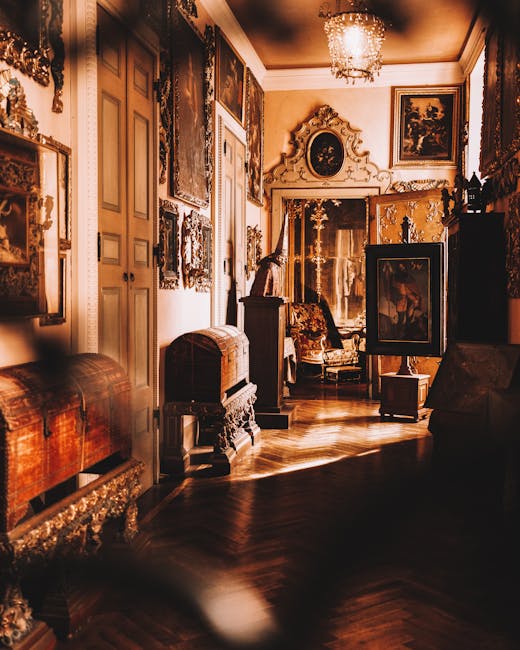
Alexandra Palace removal tips for fragile antiques and art: a practical guide for a safer, calmer move
Moving delicate pieces is never just about getting things from one address to another. If you are dealing with antiques, framed artwork, sculpture, mirrors, ceramics, or heirloom furniture around Alexandra Palace, the job can feel a bit nerve-wracking before the first box is even taped. One wobble on a staircase, one rushed lift, one badly chosen packing material, and suddenly you are facing damage that cannot really be undone. Not ideal, to say the least.
This guide brings together Alexandra Palace removal tips for fragile antiques and art in a way that is practical, local, and grounded in real moving conditions. We will look at how to plan the move, how to wrap and protect high-value items, what professional movers do differently, and where people most often go wrong. You will also find a checklist, a comparison table, and a realistic example so you can make better decisions with less stress.
If you are also comparing moving support options, it may help to browse the broader removal services in Haringey, or look at specialist support such as furniture removals in Haringey and packing and boxes in Haringey before you decide how much of the work you want to handle yourself.
Table of Contents
- Why Alexandra Palace removal tips for fragile antiques and art matters
- How Alexandra Palace removal tips for fragile antiques and art works
- Key benefits and practical advantages
- Who this is for and when it makes sense
- Step-by-step guidance
- Expert tips for better results
- Common mistakes to avoid
- Tools, resources and recommendations
- Law, compliance, standards, or best practice
- Options, methods, or comparison table
- Case study or real-world example
- Practical checklist
- Conclusion
- Frequently asked questions
Why Alexandra Palace removal tips for fragile antiques and art Matters
Fragile antiques and art are not forgiving. A small chip can reduce the value of a decorative piece, and a cracked frame or strained canvas can turn a cherished object into something you need to repair, reframe, or live with permanently damaged. In a busy London move, that risk goes up quickly because there are stairs, tight landings, awkward parking, weather changes, and time pressure. Alexandra Palace and the surrounding streets can be particularly tricky on moving day because access, traffic, and building layout often demand more planning than people expect.
There is also a difference between moving ordinary household furniture and moving items that are sensitive to vibration, pressure, humidity, and handling. A sideboard may survive a bump. A 19th-century mirror may not. A painted canvas can be fine on one wall and then crackle or shift if it is stacked badly in a van. Truth be told, this is where a lot of well-meaning DIY moves start to unravel.
These tips matter because they help you reduce three main risks:
- Physical damage such as chips, scratches, breaks, warping, or torn fabric.
- Handling damage from poor lifting, stacking, or squeezing items through narrow spaces.
- Environmental damage from moisture, heat, dust, or prolonged exposure in storage or transport.
There is a calmer side to this too. When fragile items are prepared properly, the whole move usually feels more organised. Fewer last-minute surprises. Less panic in the hallway. And a much better chance that your items arrive looking exactly as they left.
How Alexandra Palace removal tips for fragile antiques and art Works
The idea is simple: break the move into controlled stages so the most delicate items are protected at every point. That means assessing each piece, preparing it correctly, choosing suitable packing materials, loading it in the right order, and making sure the vehicle and route match the item's fragility.
For antiques and art, the process usually works best in five layers:
- Item assessment - identify what is fragile, valuable, awkward, oversized, or irreplaceable.
- Protective packing - use clean, appropriate materials that reduce friction and movement.
- Safe carrying - lift with enough people, enough space, and enough planning.
- Thoughtful vehicle loading - separate fragile pieces from heavy furniture and secure everything upright where needed.
- Careful unloading and placement - avoid "just put it there for now" moments that end badly later. They usually do.
In practical terms, this often means custom approaches rather than one-size-fits-all packing. A gilded mirror needs corner protection and strong surface wrapping. A canvas may need glassine or acid-free paper on the surface before wrapping. A ceramic sculpture may need internal cushioning and a rigid outer box. A small antique clock might travel better in a padded, clearly labelled crate than in a loose cardboard box that shifts around at the slightest turn.
For bigger home moves where art and antiques are only one part of the job, people often combine these steps with house removals in Haringey or, if they are moving from a smaller property, flat removals in Haringey. That way, the whole move follows one plan instead of becoming a patchwork of separate arrangements.
Key Benefits and Practical Advantages
Using the right fragile-item methods is not only about damage prevention. It changes the entire feel of the move. A careful antiques and art move is slower in the right places and faster in the wrong ones, which sounds backwards until you live it. You spend a bit more time packing, but you save time on stress, recovery, and repairs.
Here are the main benefits:
- Lower breakage risk - better wrapping, padding, and handling reduce avoidable damage.
- Preserved value - particularly important for antiques, signed prints, original artwork, and decorative objects with sentimental value.
- Smoother loading - clearly marked fragile items are easier to prioritise and position in the van.
- Less last-minute panic - once packed properly, you are not rethinking every box on move day.
- Better storage readiness - if the items need temporary storage, they are already protected in a sensible way.
One practical advantage people miss is insurance confidence. If something is packed carelessly, proving it was handled correctly can become difficult. If you use sensible materials, document condition before the move, and work with a trusted team, you are in a much stronger position if you need to discuss a claim or a complaint. For extra peace of mind, it is worth reviewing the company's insurance and safety information before booking.
Who This Is For and When It Makes Sense
This approach is for anyone moving items that would be difficult, expensive, or emotionally painful to replace. That includes private collectors, homeowners, landlords, downsizers, art lovers, and families moving inherited pieces from one place to another. It also makes sense if you are clearing a property for sale and need to move contents with care before the estate agent photos or completion day.
It is especially relevant if you are:
- Moving framed art, oil paintings, prints, or canvas works.
- Transporting antiques with joints, veneer, glass, or delicate decorative trim.
- Handling mirrors, clocks, sculptures, ceramics, or porcelain.
- Moving items with sentimental value that cannot easily be replaced.
- Dealing with narrow stairs, shared entrances, or limited parking.
- Combining fragile pieces with a standard house or flat move.
If your move involves a tight street layout, it can help to read the local guidance in the Crouch End removals guide for narrow streets and parking. Although that article focuses on another part of Haringey, the practical lessons about access, loading space, and parking planning apply very neatly to Alexandra Palace too.
Sometimes the answer is not a huge specialist operation. Sometimes it is simply using the right van, the right materials, and the right sequence. The trick is knowing which move you are doing. That sounds obvious. In reality, people often underestimate it until they are standing in a hallway with a wrapped painting and no clear plan.
Step-by-Step Guidance
Below is a practical sequence you can follow for fragile antiques and art. It is designed for real moves, not neat little theory. You can scale it up or down depending on how many items you have.
1. Make a full inventory first
List every fragile item, even the ones that feel too small to matter. A tiny figurine can still be valuable or sentimental. Note dimensions, condition, and any existing damage. If possible, photograph each item before packing. Simple photos on your phone are fine, and they can be very useful later if you need to compare condition.
2. Separate by material and fragility
Do not pack everything together just because it is "all delicate." Glass, canvas, paper, wood, lacquer, and ceramics all behave differently. A framed print and a marble ornament need different protection. Keep like with like so you can choose the right wrapping and box style.
3. Choose proper packing materials
Use clean, dry, sturdy materials. Acid-free tissue, glassine, bubble wrap, foam corner protectors, double-walled boxes, picture cartons, blankets, and rigid crates can all have a place depending on the item. Avoid newspaper directly on artwork if there is any risk of ink transfer, and never use weak boxes for heavy pieces. It sounds mundane, but this is where many problems start.
4. Wrap surfaces before adding cushioning
For framed artwork or polished antique surfaces, place a soft protective layer first so the cushioning does not rub directly against the finish. Then add padding. Corners deserve special attention because that is where most impacts land. If the item has protruding parts, pad those separately.
5. Pack each item so it cannot move
Movement inside the box is the enemy. A properly packed item should feel snug, not loose. Fill voids, but do not crush the object into place. The goal is to stop shifting, not compress the piece. If something is unusually shaped, a custom box or crate may be safer than improvising with spare cardboard. Improv is lovely at a dinner party; less so with a 100-year-old frame.
6. Label clearly and consistently
Mark each box with the contents, room, and handling note such as fragile, this side up, or do not stack. Keep the labels visible on more than one side. That sounds simple, but it saves real time when the van is open and everyone is trying to work quickly in the drizzle. And yes, there is usually drizzle.
7. Load the van with weight and access in mind
Heavy, stable items should not press against delicate pieces. Fragile items should ride in a secure, cushioned area where they will not slide. Keep artworks upright unless the item's structure or professional advice says otherwise. Secure with straps carefully, and avoid tying pressure across vulnerable frames or gilding. A good removal van in Haringey with proper load space can make a world of difference here.
8. Unload before you get tired
Fatigue causes sloppy handling. If you are moving a lot of items, put the fragile pieces near the start of unloading so they are handled when everyone is still alert. It is often tempting to leave them until last because "we can just set those somewhere safe." That safe place has a habit of becoming a pile of jackets and lamp cords.
9. Check each item again after the move
Unwrap carefully and inspect condition before disposing of materials. Look for corner wear, rubbing, cracks, loosened joints, or pressure marks. If something looks wrong, photograph it immediately and keep all packaging until you are sure everything has settled safely.
Expert Tips for Better Results
Some of the best moving advice is unglamorous. It is also the kind that saves money. Here are the habits that tend to separate a smooth fragile-item move from an anxious one.
- Pack art vertically, not flat, unless the piece specifically needs another method. Flat stacking invites pressure and flex.
- Use corner protection on frames and mirrors. Corners are the first point of impact in doorways and vans.
- Keep humidity-sensitive items away from damp storage areas. Old paper, canvas, and wood do not love moisture.
- Do not overfill boxes. Heavy boxes are harder to carry safely and easier to drop.
- Pre-measure doorways and stair turns. A piece that looks manageable can become awkward fast once you hit a narrow landing.
- Use two people for awkward items even if one person technically could manage them. One person may be physically able; two people are usually safer and calmer.
One more small thing: keep a "first out, last in" box for the most valuable pieces. That means the items you want to access first at the destination are the last ones loaded and the first ones unloaded. It sounds obvious. It also saves a lot of standing around muttering, where did that box go?
If you are comparing support levels, the broader services overview and a more hands-on man with van service in Haringey can help you decide how much assistance you need for packing, lifting, and transport.
Common Mistakes to Avoid
Most damage to fragile antiques and art does not happen in dramatic accidents. It happens in small, avoidable moments: the wrong box, the quick shove, the last-minute shortcut. Here are the ones worth watching for.
- Using soft packaging on its own - blankets are useful, but they are not enough for many valuable pieces.
- Leaving glass unprotected - if a frame has glass, protect both the front and edges properly.
- Stacking heavy items on top of art - this one sounds too obvious, yet it still happens.
- Ignoring existing damage - cracks, loose joints, and old repairs can worsen during transit.
- Failing to measure access - a staircase or doorway that feels "fine" can still be a tight squeeze.
- Forgetting weather protection - rain and condensation matter more than people think, especially during London moves.
- Rushing the unload - the final twenty minutes can be the most dangerous if everyone is tired.
Another quiet mistake is overconfidence. We all do it. You look at a small sculpture and think, that'll be fine. Then the van hits a pothole, the box shifts, and suddenly it is not fine. The best defence is a little healthy caution.
Tools, Resources and Recommendations
You do not need a warehouse full of specialist gear, but a few smart tools make a huge difference. If you are preparing fragile antiques and art for an Alexandra Palace move, these are the items most worth having on hand.
| Tool or material | Best use | Why it helps |
|---|---|---|
| Acid-free tissue | Paper art, delicate surfaces, internal wrapping | Reduces surface reaction and abrasion |
| Glassine sheets | Prints, drawings, and artwork surfaces | Helps protect without sticking or rubbing |
| Bubble wrap | Outer cushioning for many objects | Absorbs shock during handling and transit |
| Foam corner protectors | Frames, mirrors, boxed panels | Protects the most vulnerable impact points |
| Double-walled boxes | Heavier fragile items | Offers more structure than standard single-wall boxes |
| Picture cartons or cartons with inserts | Framed art and mirrors | Helps keep flat items upright and secure |
| Moving blankets | Outer layer for furniture and framed pieces | Protects against scuffs and vibration |
| Straps and load bars | Van securing | Prevents items from sliding in transit |
For some homes, especially those with multiple high-value items or a mixture of art and antique furniture, a short-term secure option may be worth considering. Storage in Haringey can be useful if your completion dates do not line up perfectly or if the new property is not quite ready yet. That gap is where things often get messy.
And if you need a quick quote or want to clarify what kind of vehicle or team would suit your items, the most straightforward next step is the contact page. A short conversation can save a surprising amount of back-and-forth later.
Law, Compliance, Standards, or Best Practice
For a private household move, there usually is not a complicated legal framework just for fragile antiques and art. Still, a careful move should follow sensible UK moving best practice, general health and safety principles, and clear terms between customer and mover. If you are hiring help, check that the provider is transparent about responsibilities, cover, and what is and is not included.
Key good-practice points include:
- Accurate declarations - be honest about what the items are, how fragile they are, and whether they require special handling.
- Condition recording - note pre-existing damage before the move wherever possible.
- Clear instructions - tell the team which items need upright transport, extra wrapping, or a no-stack position.
- Safe lifting practice - use enough people and suitable equipment for the weight and shape of the item.
- Reasonable packing standards - fit-for-purpose materials matter more than flashy packing.
If you are choosing a mover, it is sensible to review their health and safety policy, understand their terms and conditions, and check pricing and quotes so there are no awkward surprises on the day. A good company should be able to explain what support is available without making the process feel like a sales script.
If you are moving from a larger property, a heritage home, or a place with multiple delicate rooms, it may also be worth learning more about the team through the about us page. Trust matters here. Quite a lot, actually.
Options, Methods, or Comparison Table
There is no single best way to move fragile antiques and art. The right choice depends on the item value, how delicate it is, the access conditions, and how much time you have. Here is a simple comparison to help you weigh the main options.
| Method | Best for | Pros | Limitations |
|---|---|---|---|
| DIY packing and self-move | Small number of less valuable fragile items | Lower upfront cost, full control | Higher risk if you lack materials, time, or lifting help |
| Partial professional help | Mixed moves where only the delicate items need special handling | Good balance of cost and protection | Requires clear communication and coordination |
| Full removal service | Homes with many fragile, heavy, or valuable items | Most convenient, fewer handling steps for you | Usually costs more than DIY |
| Storage before delivery | Moves with delays, renovations, or staggered completion dates | Reduces pressure when timing is uncertain | Requires careful storage conditions and extra planning |
If you are unsure which route to choose, a guided service is often the safer middle ground. For some people, that means a simple man and van in Haringey. For others, especially when there are stairs, heavy antiques, and multiple rooms involved, broader removals in Haringey may be the better fit.
Case Study or Real-World Example
Imagine a couple moving from a period flat near Alexandra Palace to a new home elsewhere in North London. They have a framed oil painting inherited from family, two mid-century side tables, a large mirror, and a small collection of ceramic pieces displayed on shelves. Nothing looks huge on its own. Together, though, they make the move feel high-risk.
They start by separating the items into groups: framed art, glazed pieces, and antique wood furniture. The painting is wrapped with a protective surface layer, then padded and placed in a rigid carton. The mirror gets corner guards and a thick outer wrap. The ceramics are individually wrapped, boxed upright, and packed with void fill so they cannot rattle. The side tables are padded to protect edges and legs, then loaded after the fragile boxes so nothing heavy sits on top.
On the day, the van is parked as close as possible to reduce carrying distance. One person carries the artwork, another manages the doors and route, and the heavier furniture is moved separately. There is a quiet sort of relief when everything arrives intact. No drama. No cracked glass. No "we should have used a better box."
That is really the point. Good preparation turns a scary move into a manageable one. Not effortless, maybe. But manageable.
Practical Checklist
Use this checklist before moving day. It keeps the whole thing grounded when the schedule starts getting busy.
- Make a full inventory of all fragile antiques and art.
- Photograph each item and note any pre-existing damage.
- Measure large pieces, doorways, stairwells, and lift access.
- Gather proper materials: acid-free wrap, bubble wrap, corner protectors, sturdy boxes, blankets, and tape.
- Pack artworks and mirrors upright unless told otherwise by a specialist.
- Keep each item snug inside its box or crate.
- Label every package clearly on more than one side.
- Separate fragile items from heavy furniture in the van.
- Keep weather protection ready for door-to-van transfers.
- Confirm insurance, safety, and terms before the move.
- Leave time for careful unloading and inspection at the destination.
Expert summary: for fragile antiques and art, the safest move is usually not the fastest one. It is the one where the packing materials, loading order, and carrying plan are all decided before anyone picks up the first item.
Get a free quote today and see how much you can save.
Conclusion
Moving fragile antiques and art around Alexandra Palace calls for more than strength and a few cardboard boxes. It calls for patience, planning, and a bit of respect for how easily these items can be damaged. Once you understand the right packing sequence, the safest loading order, and the value of careful handling, the whole move becomes a lot less intimidating.
Whether you are moving one treasured painting or an entire room of inherited pieces, the same rule applies: protect the item before you move it, not after something has already gone wrong. That one change can save money, time, and quite a lot of heartache. And honestly, that is worth doing properly.
If you want support that feels practical rather than pushy, start with the services that match your move, ask direct questions, and keep the fragile pieces at the centre of the plan. A good move should leave you settled, not frazzled. Calm at the end matters too.
Frequently Asked Questions
What is the safest way to move fragile antiques and art?
The safest method is to assess each item individually, use appropriate packing materials, keep items stable inside their containers, and load them so they cannot shift or be crushed in transit. For higher-value pieces, professional handling is usually the better option.
Should paintings be moved flat or upright?
Most framed artwork is safer upright because flat stacking can create pressure and flex. That said, the exact method depends on the piece, its frame, and whether a specialist recommends another approach.
Do I need special boxes for mirrors and framed art?
Yes, specialist picture cartons or rigid boxes are often much better than standard boxes. They help keep flat items secure, reduce bending, and offer better edge protection.
How do I protect old wooden antiques during a move?
Wrap them in clean padding, protect corners and protruding parts, and avoid anything that could rub or trap moisture against the finish. Do not let heavy furniture lean against them during loading.
Can I use bubble wrap on artwork?
Yes, but usually as an outer cushioning layer rather than directly against a delicate surface. For art, a soft protective first layer is often a better starting point before adding bubble wrap or another shock-absorbing material.
Is storage a good idea if my move date changes?
It can be, especially if you need time between addresses or if your new property is not ready. The key is using secure storage and packing items properly so they can sit safely without rubbing or damp exposure. If you need that option, storage in Haringey may be worth considering.
How far in advance should I prepare fragile items?
Start as early as you can, ideally several days before the move. Early packing gives you time to source the right materials, photograph items, and avoid rushed decisions the night before.
What should I do if an item already has damage?
Document it with photos before packing and treat it with extra care. Existing cracks, loose joints, or old repairs can worsen during transport, so it is wise to flag those pieces clearly.
Are all removal companies suitable for antiques and art?
No. Some companies are better suited to standard household items, while others have more experience with fragile and valuable pieces. Ask directly about packing methods, insurance, and handling experience before booking.
How do I know if I should book a full removal service or just a van?
If you have a small number of manageable items and plenty of help, a van may be enough. If you have multiple fragile pieces, difficult access, or a mix of heavy and delicate items, fuller support is usually easier and safer.
What is the biggest mistake people make with fragile art during a move?
Rushing. People often think the danger is the van ride, but the real risk is usually the handling before and after transport: doorways, stairs, awkward turns, and rushed stacking.
Can you help with local moves around Alexandra Palace and Haringey?
Yes, local planning matters a lot in this area, especially where parking, access, and narrow streets come into play. For a straightforward next step, use the contact page to ask about your specific items and moving date.