Harringay Green Lanes flat removals with tight staircases: a practical guide for awkward access moves
If you are planning Harringay Green Lanes flat removals with tight staircases, you probably already know the problem is not the distance between homes. It is the staircase. Narrow turns, steep steps, awkward landings, heavy furniture, and a hallway that seems to shrink the minute you carry a sofa through it. Truth be told, that is where many flat moves become stressful.
This guide explains how to handle these moves properly, what can go wrong, and how to make the whole thing smoother from the first quote to the final box. Whether you are moving out of a top-floor flat near Green Lanes or bringing furniture into a maisonette with a tight stairwell, the right approach can save time, damage, and a lot of muttering under your breath.
Below, you will find clear steps, practical tips, a checklist, a comparison table, and answers to common questions people ask before booking a flat removal in this part of London.
Why Harringay Green Lanes flat removals with tight staircases Matters
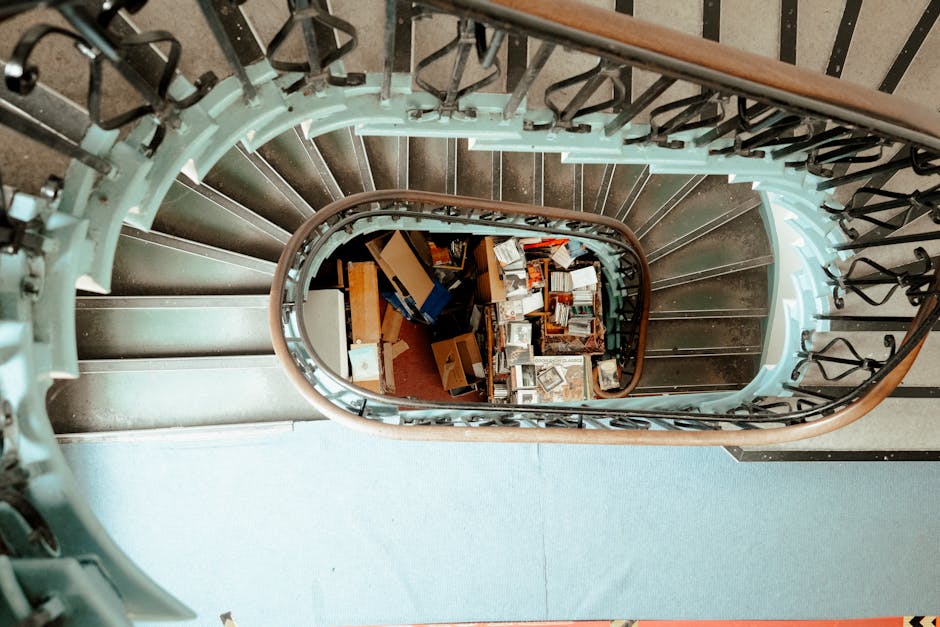
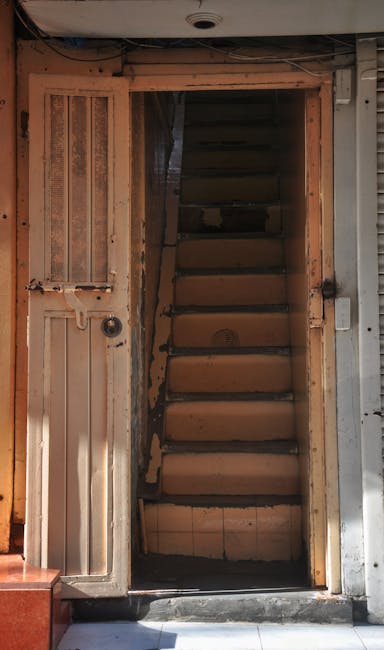
Green Lanes and the wider Harringay area have plenty of period conversions, upper-floor flats, and buildings where the staircase was clearly designed long before modern sofas existed. That matters because a move can look simple on paper and still be difficult in practice. One sharp bend, one low ceiling, or one shared stairwell with barely enough room to pass and suddenly the job needs proper planning.
With flat removals, access is often more important than the postcode itself. A move from a second-floor flat with a generous hallway may be easier than a ground-floor property with a cramped internal staircase and no lift. Stair width, ceiling height, bannister style, parking distance, and the size of your biggest items all shape the day. A good moving plan respects that reality instead of pretending every property is a neat box with a front door and a straight path.
It is also about protecting your belongings and the building. Scraped paintwork, chipped plaster, broken mirrors, dented fridge doors, and unhappy neighbours are not exactly the memories you want from moving day. In tighter buildings, a calmer approach tends to work better than brute force. A little measured preparation goes a long way.
Key point: awkward staircases do not automatically mean a difficult move, but they do mean you need a more thoughtful one.
How Harringay Green Lanes flat removals with tight staircases Works
The process usually starts with an access check. That can be done through photos, a short video, a phone walkthrough, or an in-person visit if needed. The goal is simple: understand what will fit, where the obstacles are, and whether anything needs to be dismantled before moving day.
Then comes the packing and load planning stage. Smaller items are boxed tightly so they do not shift around on the stairs. Larger furniture may be wrapped, partially disassembled, or carried using straps and blankets. If a staircase is very narrow, items are often moved with a clear route in mind, not just grabbed and hoped for. Sounds obvious, but you would be surprised how often people try the "we'll just see if it fits" method. Not ideal.
On the day, the crew typically works in a sequence:
- Protect floors, corners, bannisters, and door frames where necessary.
- Move the easiest items first to clear space and reduce congestion.
- Carry heavier or awkward items with controlled lifting and good communication.
- Use the landing space carefully so the staircase does not become blocked.
- Load the van in a way that keeps fragile items secure and heavy items stable.
For some moves, it also makes sense to separate the job into stages. For example, bulky furniture might leave first, while bags and boxes follow once the route is clear. In a tight stairwell, that kind of sequencing can reduce delays and awkward near-collisions with the bannister. Nobody wants the wardrobe to take a corner like it is doing parkour.
If you are comparing service options, it helps to look at broader support too. Some people need full packing help, while others only need transport and lifting. Services such as flat removals, packing and boxes, and man with van support can be combined depending on how much assistance the move needs.
Key Benefits and Practical Advantages
Using a proper flat removal approach for a tight-staircase property is not just about convenience. It changes the whole experience.
- Less damage risk: careful handling reduces the chance of scratched walls, broken handles, and scuffed furniture.
- Better time control: a planned route and sensible packing usually speed things up, even if the staircase is awkward.
- Less stress on moving day: you are not improvising under pressure while carrying a bookcase sideways.
- Safer lifting: good technique and the right equipment reduce strain on the people moving the items.
- Cleaner shared spaces: hallways, railings, and communal landings are more likely to stay in good condition.
There is also a quieter benefit that people sometimes overlook: confidence. Once you know the mover has accounted for the staircase, the move feels more manageable. You stop worrying about every turn and can focus on the actual relocation. That calm matters, especially in London flats where space is limited and the day already feels busy.
Who This Is For and When It Makes Sense
This kind of move is for anyone living in a flat or maisonette around Harringay Green Lanes where access is less than generous. That includes top-floor renters, owners in older conversions, students moving between shared homes, and families relocating from compact buildings with shared stairs.
It also makes sense if you have any of the following:
- large furniture such as wardrobes, sofas, dining tables, or beds
- fragile items that need extra protection
- limited time to move in one go
- parking constraints near the property
- no lift or a lift that is too small for bulky items
- tight internal stairs, sharp corners, or narrow landings
If you are moving alone, the answer is usually even clearer. You might be able to shift boxes yourself, sure. But a mattress up a tight staircase? That is where a second pair of hands suddenly becomes very attractive.
This is also a strong fit for anyone who wants to reduce the risk of neighbour complaints. In shared buildings, moving quietly and efficiently is not just polite; it is practical. Less banging, less dragging, fewer interruptions for everyone involved.
Step-by-Step Guidance
Here is the easiest way to plan a move with narrow stairs without turning it into a last-minute scramble.
1. Measure the problem areas first
Measure the staircase width, landing depth, ceiling height at bends, and the dimensions of your largest furniture. If you can, take photos from the bottom, middle, and top of the stairs. A lot of issues become obvious at this stage. A sofa may fit in theory but fail at the turn. That is the sort of detail that saves a lot of pain later.
2. Identify the bulky items
Make a list of anything awkward: wardrobes, beds, mattresses, washing machines, large mirrors, shelving, and desks. If it is heavy, long, fragile, or a bit all three, flag it early. Then decide what can be dismantled. A flat-pack bed frame is one thing; a fully assembled pine wardrobe is another.
3. Sort parking and access
Think about where the moving vehicle can stop. The shorter the carry from van to staircase, the smoother the job usually runs. In busy parts of Green Lanes, parking can be a genuine issue, so it is worth planning this carefully. A few extra metres may not sound like much, but when you are making repeated trips with boxes, it adds up quickly.
4. Pack by weight and fragility
Heavy items should go into smaller boxes. Fragile items need cushioning and clear labelling. Overfilled boxes are miserable on stairs; they are hard to grip, awkward to balance, and more likely to split. Better to split the load. Simple, boring, effective.
5. Protect the route
Use covers for floor surfaces, corner protection if needed, and wrapping for furniture edges. In older buildings, stair rails and wall corners can be surprisingly vulnerable. A little protection is cheaper than repairing a chipped wall later.
6. Move in a controlled order
Start with items that create space, then move the more awkward pieces. Keep the stairwell clear. If a landing is tiny, do not clog it with half a room's contents. That is when accidents happen.
7. Check the final rooms before unloading fully
Once the items reach the new flat, make sure they can actually be placed where intended. In a tight stair property, room layout often needs a bit of adjustment. You may need to bring things in one at a time and reposition as you go. It is slower than throwing everything into the first available corner, but far better in the long run.
Expert Tips for Better Results
After enough awkward access moves, a few patterns become obvious.
- Use smaller boxes than you think you need. Especially for books. A box full of books gets heavy fast. Too heavy.
- Remove table legs and bed frames where possible. Flat pieces are simply easier on stairs.
- Wrap handles and edges. Door handles and sharp corners are classic snag points on narrow landings.
- Keep one person free to guide. The person at the front cannot always see the turn ahead.
- Have the new layout in mind before unloading. It avoids unnecessary reshuffling in rooms with limited space.
- Book a realistic time slot. Tight stairs slow things down, even with experienced movers.
A small but useful tip: if your building has a communal hallway, tell neighbours in advance if the move could affect access. It is a simple courtesy, and it avoids that slightly awkward moment where someone is trying to get a pram past a mattress at the exact wrong time.
If you need broader moving help, it can be useful to look at services such as home moves, removal services, and packing and unpacking services so the move is matched to the level of access difficulty, not just the number of boxes.
Common Mistakes to Avoid
Most problems in tight-staircase flat moves are preventable. The tricky part is that people often only realise the issue once the sofa is already wedged halfway up the stairs. Let's not do that.
- Guessing measurements instead of checking them. "It should fit" is not a measurement.
- Overpacking boxes. Heavy boxes are harder to carry, harder to stack, and harder to save if dropped.
- Not dismantling furniture early enough. Waiting until moving day creates delays and extra stress.
- Ignoring the landing space. The landing is part of the route, not just a resting place for chaos.
- Forgetting about parking distance. A difficult carry becomes worse very quickly when the van cannot get close.
- Trying to move everything at once. In a narrow stairwell, that usually means more obstruction, not more efficiency.
- Skipping protection for walls and bannisters. One small knock can become a visible repair job.
There is also a mindset mistake: assuming that a small flat move must be easy. Small flats can be more awkward than larger homes because every piece of furniture has to travel through the same confined route. Compact does not mean simple.
Tools, Resources and Recommendations
The right tools make a real difference. You do not need a van full of specialist kit for every move, but the basics matter.
| Tool / Resource | Why it helps | Best used for |
|---|---|---|
| Furniture blankets | Reduce scratches and edge damage | Sofas, tables, wardrobes, appliances |
| Removal straps | Improve grip and balance on stairs | Heavy or awkward items |
| Smaller moving boxes | Keep weight manageable | Books, kitchen items, mixed contents |
| Bubble wrap and paper wrap | Protect fragile surfaces and corners | Mirrors, glass, lamps, framed items |
| Floor and corner protection | Limits wear to shared spaces | Hallways, stair edges, entry points |
| Tape, labels, and markers | Speeds up sorting and placement | Every room in the move |
For many people, the best "resource" is not a gadget at all but a service that matches the property. For example, if you need a straightforward vehicle with loading help, removal van support may be enough. If you need a more all-in approach for heavier or bulkier items, removal truck hire or a man and van setup may suit better, depending on the load and access.
If you are disposing of old furniture before a move, it can also help to plan that separately rather than leaving it to the last minute. Services such as furniture removals and furniture pick up can be useful where unwanted items are blocking the move or just not worth carrying to the next place.
Law, Compliance, Standards, or Best Practice
For a flat removal in a tight staircase environment, the main compliance concerns are usually safety, access, and care for property. In the UK, a professional moving setup should take sensible precautions to avoid injury and damage. That means suitable manual handling practices, suitable equipment where needed, and a reasonable approach to protecting the building and its occupants.
If you live in a managed block or a leasehold property, it is also wise to check building rules in advance. Some buildings have guidance about lift use, moving times, door protection, or how long you can keep communal areas clear. Those rules are not always dramatic, but they do matter on the day. Better to know beforehand than have a caretaker or neighbour politely, but firmly, pointing it out while you are mid-carry.
Insurance is another sensible consideration. Any reputable moving arrangement should be clear about what is covered and what is not. If you are comparing options, it is worth reading the available details on insurance and safety and reviewing practical moving policies such as health and safety policy. If you are unsure about service terms, payment handling, or what happens if plans change, the site's terms and conditions and payment and security information are worth checking too.
Practical rule of thumb: if an item feels like it needs two people, protect the route and take the turn slowly. If it feels like it needs three, stop and rethink the plan. No heroics required.
Options, Methods, or Comparison Table
There is more than one way to handle a flat move with tight stairs. The best choice depends on how much furniture you have, how awkward the access is, and how much time and energy you want to spend on the day.
| Method | Best for | Pros | Cons |
|---|---|---|---|
| Do-it-yourself with a small van | Minimal furniture, light boxes, simple access | Lowest upfront cost, flexible timing | Higher physical strain, more risk on stairs, slower overall |
| Man and van support | Medium loads, local flat moves, some awkward access | Good balance of cost and help, more practical lifting support | May still need careful packing and dismantling from you |
| Full removal service | Heavier loads, multiple large items, complex access | More hands, better coordination, less stress | Usually costs more than a basic transport-only option |
For many Harringay Green Lanes flats, the middle option is the sweet spot. You get enough hands for the staircase without paying for a level of service you do not really need. That said, if the staircase is especially tight and your furniture is bulky, a fuller service can be the calmer choice. Sometimes paying for less stress is just sensible. Not glamorous, but sensible.
Case Study or Real-World Example
Imagine a one-bedroom flat just off Green Lanes with a narrow internal staircase, no lift, and a sofa that looked modest in the showroom but somehow turned into a stubborn giant at home. The resident had packed most items already, but the biggest concern was moving the bed frame, mattress, wardrobe, and a glass coffee table without scuffing the walls.
The useful part of the plan was not a miracle solution. It was ordinary preparation done properly. The wardrobe was dismantled the day before. Boxes were kept small enough to carry one-handed. The stair rails were protected at the bends. The coffee table was wrapped and moved separately. Parking was checked in advance so the van could stop close to the entrance rather than halfway down the road. Small details, yes, but they added up.
The move still took care and a bit of patience. There was a moment where the mattress caught slightly at the top landing. Nothing dramatic. Just one of those "of course it did" moments. But because the route had been cleared and the stairwell was not cluttered, it was handled cleanly and without damage. The result was a move that felt controlled rather than chaotic.
That is the real point of good flat removals in tight staircases. Not perfection. Just fewer surprises.
Practical Checklist
Use this before moving day so you are not making decisions while standing on a staircase with a box in your hands.
- Measure the stair width, landings, and doorways
- Photograph awkward corners and low ceilings
- List the bulkiest furniture and decide what can be dismantled
- Choose smaller boxes for books and dense items
- Label fragile items clearly
- Confirm parking access near the building
- Protect walls, floors, and bannisters where needed
- Keep shared hallways and landings as clear as possible
- Check what insurance and safety details apply
- Set a realistic schedule for loading and unloading
- Separate unwanted items from items going to the new flat
- Prepare the new rooms so furniture has somewhere to go
Quick reminder: if something looks too bulky on paper, it probably is. Better to find out before moving day than halfway up the stairs.
Conclusion
Harringay Green Lanes flat removals with tight staircases are all about preparation, patience, and choosing the right level of support. The staircase itself may be the challenge, but it does not have to control the move. When you measure carefully, pack intelligently, protect the route, and plan around access rather than against it, the day becomes much easier to manage.
If you are weighing up your options, look closely at the size of your furniture, the shape of the staircase, and how much help you really want on the day. A thoughtful plan is almost always cheaper than a rushed one in the end, even if it feels like extra effort at the start.
Get a free quote today and see how much you can save.
And if nothing else, remember this: a tight staircase is just a staircase. Annoying, yes. Impossible, no.
Frequently Asked Questions
How do you move furniture up a tight staircase in a flat?
The best approach is to measure the furniture and staircase first, dismantle anything that can be broken down safely, and use controlled lifting with clear communication. In many cases, moving the largest item separately helps prevent blockages and damage.
Is a man and van service enough for a flat with narrow stairs?
Sometimes yes, especially for smaller moves or light loads. If you have bulky furniture, multiple heavy items, or very tight access, a fuller removal setup may be more appropriate. It depends on the staircase and the volume, not just the distance.
Should I dismantle my bed and wardrobe before moving day?
If it can be dismantled safely, usually yes. Flat-pack beds, shelving, and many wardrobes are much easier to move in pieces. That said, if a piece is awkward or you are unsure how to rebuild it, get help rather than forcing it.
How do I know if my sofa will fit around the stairs?
Measure the sofa at its widest and longest points, then compare those measurements with the stair width, landing space, and turn angle. Photos help a lot. A sofa may look fine in the living room but fail at a sharp corner, which is more common than people expect.
What is the biggest risk in a tight-staircase flat move?
The most common risks are damage to walls, bannisters, and furniture, followed by strain or injury from poor lifting. Blocked stairwells can also slow the move and create frustration for everyone involved.
How can I protect shared hallways during the move?
Use floor protection where needed, avoid dragging items, and keep the route clear. It also helps to tell neighbours in advance if access may be affected. In a shared building, a little courtesy goes a long way.
Will moving in Green Lanes be difficult because of parking?
Parking can be one of the main challenges, depending on the exact street and time of day. Planning the vehicle position in advance often makes a bigger difference than people realise, because it reduces the carry distance and speeds up loading.
What packing method works best for stairs?
Use smaller, manageable boxes rather than oversized ones. Keep heavy items in compact boxes and fragile items well cushioned. Overpacked boxes are awkward to hold on stair turns and can be a real nuisance.
Do I need insurance for a flat removal?
It is sensible to understand what cover is in place before the move starts. You should check what the moving arrangement includes, especially for damage or loss. If anything is unclear, ask before moving day rather than after something has gone wrong.
How long does a flat move with tight stairs usually take?
It depends on access, volume, parking, and how much has been dismantled or packed already. Tight staircases often add time, particularly for large items. A realistic schedule is better than trying to rush it and risking mistakes.
What should I do if a piece of furniture gets stuck on the stairs?
Stop moving immediately and reassess the angle, route, and whether the item should be rotated or dismantled further. Forcing it is the fastest way to damage the item or the building. A pause is usually the smart move.
Are packing services worth it for a small flat?
They can be, especially if your staircase is tight and you want to reduce the number of loose, awkward items on the day. Even in a small flat, professional packing can make the route safer and the loading faster.
What should I ask for when getting a quote?
Ask how access is assessed, whether stair difficulty affects the plan, what equipment is included, and what happens if bulky items need special handling. If you want a clearer estimate, the page for pricing and quotes is a useful place to start.
If you are still unsure how to approach your move, start with the access, then work backwards from there. That simple shift in thinking saves a lot of trouble, and honestly, it is usually the difference between a stressful day and a decent one.