Haringey Council parking rules for removals what to know
Posted on 15/06/2026
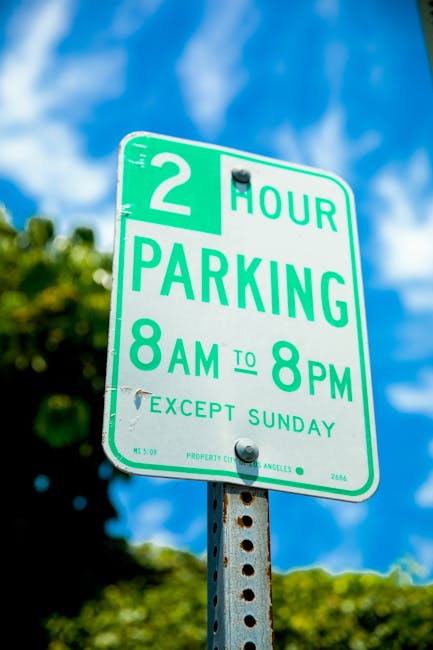
If you are moving home, the parking side of the job can be the bit that quietly causes the most stress. Not the sofa. Not the boxes. It is the van needing a legal place to stop, the lift that only works when the driver is nearby, and the neighbour who wants to get out just as the loader is carrying a wardrobe. That is why understanding Haringey Council parking rules for removals what to know matters before moving day arrives.
In Haringey, the difference between a smooth move and a frustrating one often comes down to timing, loading access, and whether the vehicle can stop where it needs to without causing trouble. This guide walks through the practical side of parking for removals: how the rules usually work, what to check in advance, common mistakes, and how to plan around narrow streets, permit bays, and busy roads. A little preparation saves a lot of back-and-forth. Truth be told, it also saves your energy.
Why Haringey Council parking rules for removals what to know Matters
Parking is not just a convenience issue during a move; it is part of the whole logistics chain. If the removal van cannot stop close enough to the entrance, everything slows down. Carrying heavier items further than expected adds time, raises the risk of damage, and makes the day feel twice as long. Nobody wants that. Especially when you are already dealing with keys, inventory lists, and the general chaos that comes with changing address.
Haringey has a mix of residential streets, controlled parking zones, permit bays, busy main roads, and areas where access can be awkward at the best of times. That is why removals need more than a quick glance at the kerb. You may be dealing with loading restrictions, resident bays, single yellow lines, time-limited stopping rules, or a street that simply does not have room for a long vehicle to pause comfortably. Even when parking looks possible, it may not be the right kind of stop for a removal vehicle.
For that reason, the council's parking framework matters to anyone arranging a move. It helps you decide whether to request a parking suspension, whether your van can use a loading bay, and whether your chosen removal method fits the street layout. If you are organising a flat move in a dense part of the borough, the need becomes even clearer. You may find our page on flat removals in Haringey useful if your move involves stairs, limited frontage, or shared entrances.
To be fair, a lot of people only think about parking once the van is already outside. That is usually the most expensive moment to start thinking. A better approach is to plan the parking first, then build the rest of the move around it.
How Haringey Council parking rules for removals what to know Works
In practical terms, parking rules for removals usually come down to a few questions: where can the van stop, for how long, at what time, and under what conditions? The exact answer depends on the street and the local restrictions in place. Some roads allow short loading if the vehicle is active and unattended only briefly; others require a permit or formal arrangement; some may need a temporary suspension if the van would otherwise block a bay.
For removals, the main thing to understand is the difference between parking and loading. Those two words sound similar, but the rules behind them can be very different. A vehicle might be allowed to stop for loading or unloading even where ordinary parking would not be permitted. That does not mean you can leave it there all day, and it certainly does not mean every street will be fine. The vehicle should be actively used for the move, and the stop should be reasonable and necessary for loading work.
In a real move, the practical test is simple: can the van stop safely, legally, and close enough to the property to let the team load without constant interruption? If the answer is no, you may need to think about a different vehicle size, a different arrival time, or a parking arrangement in advance.
Parking rules also interact with street layout. Narrow roads, one-way systems, school times, market activity, and busier daytime traffic can all affect what is workable. This is especially true in places with limited manoeuvring space. For a deeper local example of how that can play out, see our guide to Crouch End removals, narrow streets and parking.
One small but useful point: even if a vehicle can technically stop somewhere, the driver still needs to consider whether the position blocks sightlines, driveways, or access for emergency vehicles. That is not only a parking issue; it is a safety issue too.
Key Benefits and Practical Advantages
Getting the parking plan right gives you more than just compliance. It makes the whole move better organised. When the van is close to the door, the loading team can work faster and with less strain. That means fewer trips, less handling, and less chance of bumping furniture on a gatepost or catching a box on a stair rail. You can almost hear the difference: less shuffling, less waiting, less "where shall we put this?" energy.
There is also a financial angle. If parking is sorted out properly, you reduce the chance of avoidable delays. For time-based removals, delays can become costly. For students, families, landlords, and small businesses alike, that matters. In our experience, a move that looks straightforward on paper can lose a surprising amount of time if the van has to park three streets away.
Here are the biggest practical advantages:
- Faster loading and unloading because items travel a shorter distance.
- Lower risk of damage to furniture, walls, and stairwells.
- Less physical strain for everyone involved.
- Fewer surprises on moving day when access has already been checked.
- Better coordination if you are combining removals with storage or multiple stops.
There is another benefit people miss: peace of mind. When you have already dealt with the parking question, you can focus on keys, utilities, access codes, and the million little things that always seem to happen on moving day. If you are planning storage as part of the move, you may also want to look at storage in Haringey as part of a more flexible moving plan.
Who This Is For and When It Makes Sense
This topic matters to anyone arranging a move in Haringey, but some people need it more urgently than others. If you are moving from a terraced house on a busy street, dealing with a top-floor flat, or shifting office furniture in a tight commercial area, parking will likely shape the job from the start. The same goes if you are moving at peak traffic times, during school runs, or on a road where residents already compete for space. It is a bit of a juggling act, really.
You will especially benefit from understanding the rules if you are:
- moving from a flat with limited front access;
- using a larger removal van that needs more stopping space;
- planning a same-day or short-notice move;
- moving a student room, where timing and budget both matter;
- handling bulky items such as wardrobes, sofas, or pianos;
- moving an office or small business premises with strict opening hours.
If your move is smaller, you may still need to think about parking, but the arrangement can be simpler. A compact van or man-and-van setup often works better on tricky streets. For example, our man and van Haringey service can suit moves where access is tight and a full-size lorry would be awkward. Likewise, people arranging student moves often need something nimble and cost-conscious, which is why student removals in Haringey are worth considering when parking space is limited and time is short.
On the other hand, if you are moving a whole household, the parking plan becomes part of the main moving strategy, not a side note. A little forethought saves a lot of sweat.
Step-by-Step Guidance
Here is a sensible way to work through the parking side of a removal in Haringey without overcomplicating it.
- Check the property frontage. Look at the street outside both addresses. Is there room for a van to stop safely? Is it a permit zone, a loading bay, or a yellow line area?
- Identify the type of move. A small flat move, a family house move, an office relocation, or a single-item transport job may all need different parking setups.
- Decide whether the van can load directly. If not, ask how far the carrying distance would be and whether the route includes steps, a slope, or a narrow entrance.
- Allow for time restrictions. Some streets are more manageable at quieter times. Early starts often help, though not always. Traffic can be stubborn, as London likes to remind us.
- Plan for permissions if needed. If the van might need to stop in a controlled bay or protected area, work out whether a permit, suspension, or alternative arrangement is required.
- Share access details early. Give clear instructions about entrances, intercoms, restricted gates, and any road furniture that may affect unloading.
- Confirm the vehicle size. Bigger is not always better. In a cramped street, a slightly smaller vehicle may actually be the smarter choice.
- Build in buffer time. Moving day always has a way of inventing a delay. Leave some breathing room so one awkward parking moment does not unravel the schedule.
A useful tip here is to think from the crew's point of view. Where would you want the van to be if you were carrying a heavy chest of drawers down a narrow staircase? Probably as close and as unobtrusive as possible. That is the mindset to use.
If you need a vehicle that fits local streets more easily, a dedicated removal van in Haringey can be a better fit than guessing at a generic van size. And if you are arranging a larger move, you may prefer full house removals in Haringey so the parking and lifting plan are coordinated together.
Expert Tips for Better Results
A few small adjustments can make a big difference. Honestly, this is where a move starts to feel professional rather than improvised.
- Photograph the road and frontage in advance. A quick photo can help you judge whether the van will fit and where the trickiest point is.
- Think about the exit path, not just the parking bay. The van may fit, but can the crew carry items out without weaving around bins, bicycles, or planter boxes?
- Use off-peak timing where possible. A 9 a.m. loading slot can feel very different from one in the middle of the school run.
- Prepare the property before the van arrives. Boxes by the door, lifts booked, and pathways clear. Simple, but effective.
- Keep building access in mind. If the loading point is fine but the lift is small or the stairs are awkward, the parking win may still be only part of the picture.
- Tell neighbours when needed. A short heads-up can reduce friction, especially if a van will be close to front doors or driveways for a brief period.
One slightly old-school but useful habit is to have a backup plan. If the intended space is taken, where is the next best option? You may never need it, which is great. But if you do, you will be glad you thought it through. That second option can save the whole morning.
For moves involving furniture that is awkward or especially delicate, the parking decision can affect handling quality too. Close access gives more control and less risk, which is one reason some customers combine parking planning with furniture removals in Haringey or specialised support such as piano removals in Haringey.

Common Mistakes to Avoid
The biggest mistakes are rarely dramatic. They are usually small assumptions that snowball. A few classic ones keep turning up.
- Assuming loading is the same as parking. It is not. The rules can be very different.
- Leaving parking decisions until moving day. That is when options become limited and stress rises fast.
- Choosing a van that is too large for the street. Bigger vehicles can be harder to position, especially on narrow roads.
- Forgetting about access restrictions. Low bridges, permit bays, gates, and timed controls can all catch people out.
- Ignoring the return trip. If the van has to come back for a second load, the second stop matters just as much as the first.
- Not coordinating with the building. Some flats and managed blocks have their own loading rules, which can complicate things more than expected.
Another common slip is underestimating how long the handover takes. Keys are late, one box is missing, somebody cannot find the lift key, and suddenly the van is waiting. Not ideal. If your move is tied to a sale or completion, reading about Haringey home selling strategies may also help you understand the wider timing pressures that can affect moving day.
Tools, Resources and Recommendations
You do not need a complicated toolkit to manage removals parking, but a few simple resources are genuinely helpful.
- A street photo or screenshot for quick planning and discussion with the mover.
- A written access note covering entrance details, bay locations, and any restrictions.
- A timer or phone reminder for loading windows, especially if the stop is time-sensitive.
- Boxes and labels so items can be loaded efficiently and not left loitering in hallways.
- A plan for fragile items so they are not last-minute surprises near the doorway.
In practical terms, the most useful recommendation is to work with a mover who understands local streets rather than one who simply shows up with a vehicle and hopes for the best. That is one reason people often choose a local man with van in Haringey or more comprehensive removal services in Haringey when the route, the parking, and the schedule all need to be handled with care.
If your moving day is already feeling tight, a same-day option can sometimes help, but only if access is realistically manageable. We cover that in more depth in Wood Green same-day removals, availability and real cost. Sometimes fast is useful; sometimes fast plus bad parking is just a headache with wheels.
Law, Compliance, Standards, or Best Practice
Parking for removals sits within general road and highway rules, local parking controls, and normal safety expectations. The exact requirements depend on the street, the restriction in place, and whether the vehicle is stopping for active loading or simply parking. Because of that, it is wise to treat the council framework as something to verify rather than guess.
As a rule of thumb, good practice means the vehicle should not obstruct traffic unnecessarily, block access routes, or create avoidable risk for pedestrians. The crew should also keep movements sensible and controlled, especially where shared access, flats, or tight footways are involved. If you are using a removal company, they should be able to explain how they plan to manage access safely and legally. That is part of professional service, not an optional extra.
When the move involves heavier or valuable items, safe handling expectations become more important. Insurance, proper lifting methods, and careful loading all matter. For more on that broader side of the job, see our page on insurance and safety, as well as the practical standards outlined in our health and safety policy. These do not replace local parking checks, but they do show the kind of care a good move should include.
Best practice also means keeping communication clear. If the parking setup changes, the driver should know. If the property is in a managed building, the building team should know. If the access point is unusual, the crew should know before they arrive, not after they have already circled the street twice. You get the idea.
Options, Methods, or Comparison Table
There is more than one way to handle removals parking in Haringey. The best method depends on the street, the size of the move, and how much flexibility you have. Here is a simple comparison to help you weigh the options.
| Option | Best for | Pros | Watch-outs |
|---|---|---|---|
| Standard roadside loading | Quiet streets with enough stopping space | Simple, quick, low admin | May not suit busy or restricted roads |
| Permit or controlled-bay arrangement | Areas with resident bays or limited parking controls | More predictable, often closer to the property | Needs checking in advance and may have conditions |
| Parking suspension or temporary reservation | Moves needing guaranteed frontage access | Best access, less uncertainty on the day | Requires planning and may not be necessary for every move |
| Smaller van or shuttle-style loading | Narrow streets, awkward turns, busy urban roads | More manoeuvrable, easier to position | May take extra trips if the load is large |
There is no universal winner. A big house move on a wide road can work very differently from a single-room student move in a terrace street. The point is to match the parking method to the job, not force the job into the parking method. That sounds obvious, but it is exactly where people trip up.
Case Study or Real-World Example
Imagine a couple moving from a first-floor flat in a Haringey side street. The street has resident bays, a busy morning rhythm, and not much room for a long van to sit comfortably. They originally planned to have the van parked right outside for two hours. Fine in theory. In practice, the bay outside was already occupied, and the next available space was farther down the road.
Instead of forcing the issue, they adjusted the plan. The mover arrived a little earlier, used a smaller vehicle, and positioned it where loading could happen without blocking driveways. The couple had already boxed up the smaller items and kept the larger furniture near the entrance. That meant the carry distance stayed short even without perfect frontage access. The job still took effort, of course, but it avoided a lot of frustration.
What made the difference? Not luck. Just planning. The couple knew the parking might be awkward, so they built the move around that reality instead of pretending the street would cooperate. That is the smart move, and it is often the calmest one too.
We see a similar pattern with customers booking office removals in Haringey, where timing and parking need to work around business hours, and with clients using man with a van in Haringey for lighter loads where agility matters more than volume.
Practical Checklist
Use this checklist before moving day. It is simple, but it catches the most common problems.
- Confirm the collection and delivery addresses.
- Check whether each street has parking controls or loading restrictions.
- Decide if the vehicle needs to stop directly outside or nearby is acceptable.
- Measure access routes, stairs, lifts, and narrow turns where possible.
- Tell the mover about permits, gates, intercoms, or security barriers.
- Prepare an alternative parking idea in case the first space is taken.
- Pack and label items so loading is efficient.
- Clear the hallway and entrance before the van arrives.
- Keep phone contact available on the day.
- Leave a little time buffer. Seriously, leave some.
One last practical thought: if your move includes mixed items, storage, or several drop-offs, the parking plan should cover every stop, not just the first one. A well-run move is often just a series of small right decisions.
Get a free quote today and see how much you can save.
Conclusion
Understanding Haringey Council parking rules for removals what to know is really about removing friction from moving day. Once you have a realistic plan for where the van can stop, how long it can stay, and what the street will actually allow, everything else becomes easier. The boxes move faster, the crew works more safely, and you are not left improvising in the middle of a busy road with a sofa on the pavement.
Whether you are moving a flat, a family home, an office, or a single bulky item, parking is part of the job, not an afterthought. Keep it simple, ask the right questions early, and make decisions based on the street in front of you rather than the ideal version in your head. That small shift can save the whole day.
And once the van drives off and the last box is inside, you will be glad you handled the parking properly. That part tends to feel very good, actually. A small win, but a real one.


 CALL US NOW


